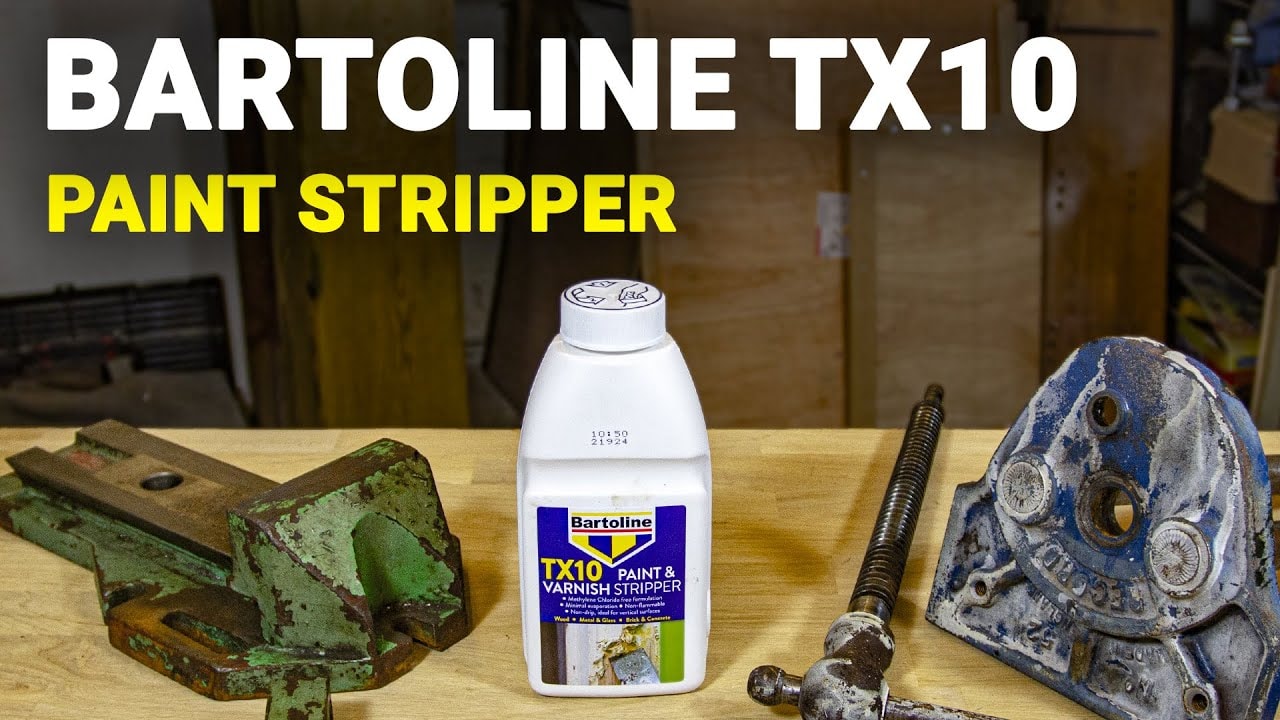

If you are trying to work out whether Bartoline TX10 Paint Stripper is actually any good on old metal parts, this should help. I wanted a proper answer for ordinary workshop jobs, not a vague review from someone stripping a freshly painted flowerpot or attacking some entirely different finish.
So I put Bartoline TX10 Paint Stripper to work on two very typical shed jobs: an old Record woodworking vice that had been thoroughly abused and splashed with household paint, and a 4.5 inch milling vice wearing what looked very much like old green Hammerite. If it could shift paint from those, I felt it would be a fair test.
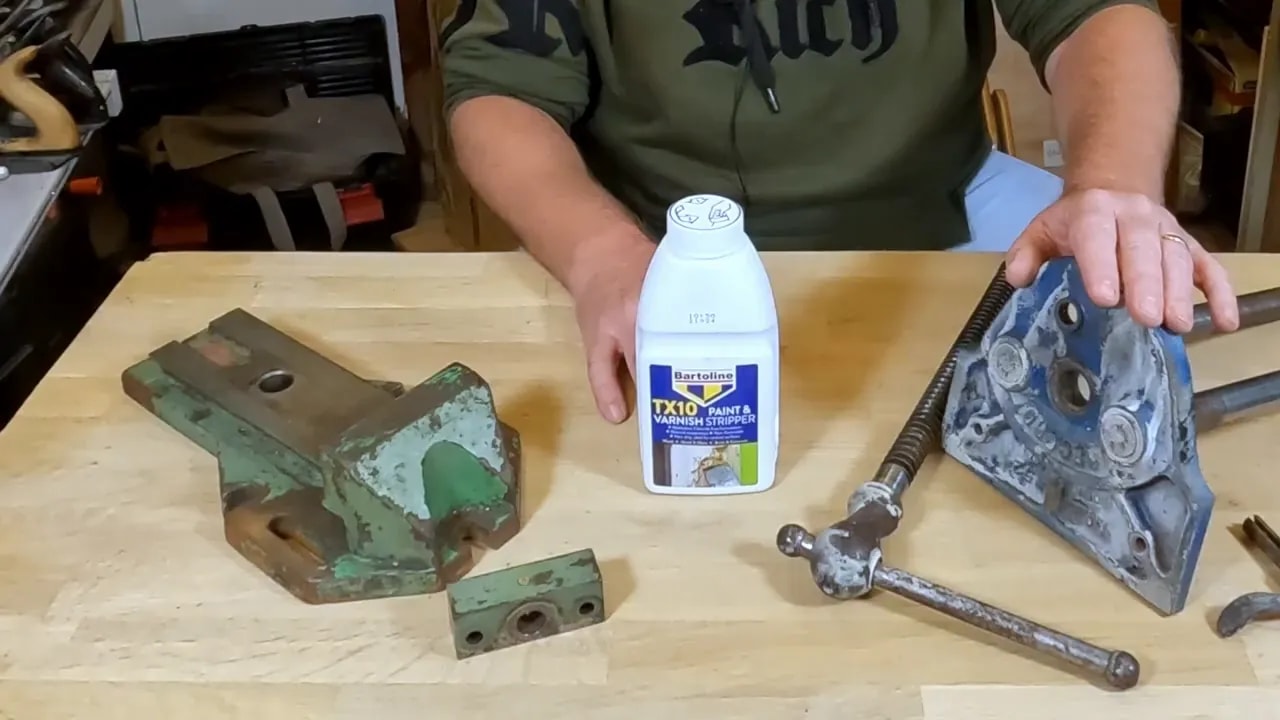
The test pieces
The first candidate was a Record woodworking vice. The poor thing had clearly had a hard life. It was covered in layers of old paint, including the sort of white emulsion that seems to find its way onto every household implement sooner or later.
The second was a metalworking milling vice. That one looked to have an older green hammered finish, most likely Hammerite or something very similar. That sort of coating can be awkward stuff. Sometimes it softens nicely and sometimes it clings on like a tax bill.
That combination made for a useful test because the paints were different, the surfaces were different, and the likely level of stubbornness was different too.
Why I wanted a real-world answer
One of the problems with buying any chemical product online is that reviews often lack context. A stripper can get five stars from one person and one star from another, and both might be perfectly honest. They are just using it on completely different jobs.
With something like Bartoline TX10 Paint Stripper, that matters quite a lot. Stripping old enamel from cast iron workshop kit is not the same as removing a weak modern coating from a bit of trim. So rather than speculate, I thought it made more sense to try it on representative home workshop parts and see what happened.
What the instructions actually amount to
The directions on the bottle are fairly straightforward, even if the wording is a bit more formal than most of us need in the shed.
The basic method is this:
- Apply a generous thick coat.
- Do not brush it out thinly.
- Leave it for about an hour.
- Apply a second coat.
- Wait until the paint softens.
- Scrape the mess off.
So in plain workshop English, the job is to slap it on thickly, leave it alone, add more, then remove the softened coating once it has had time to do its thing.
Safety and setup
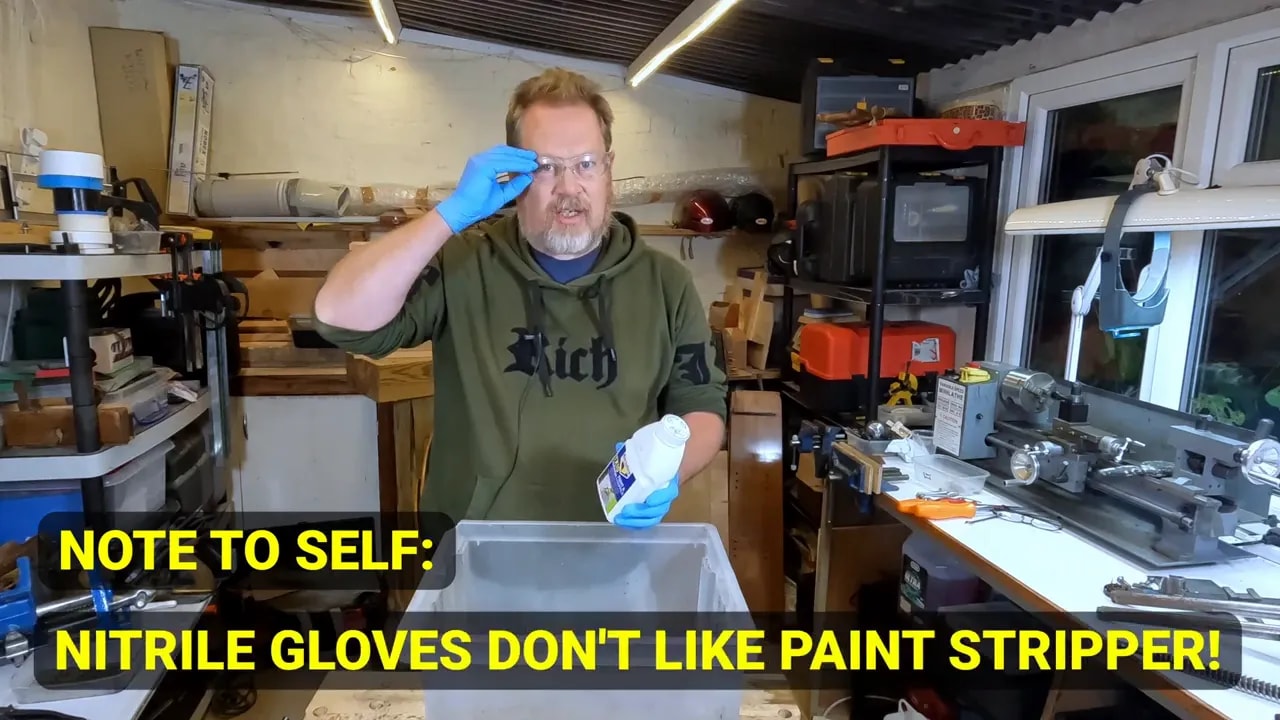
Before opening the bottle, I set up a plastic tub to work in. That turned out to be a good idea because once the stripper starts lifting paint, things get messy rather quickly.
I also used gloves and eye protection. You really do not want this sort of stuff flicking into your eyes while brushing it on or scrubbing the softened paint off later.
One useful lesson from the job concerns gloves. Blue nitrile gloves did not get on with this product at all. In plain terms, the stripper attacked them. Vinyl disposable gloves held up better, so that is worth knowing before you start.
Applying Bartoline TX10 Paint Stripper
Application was simple enough. I brushed a thick coat over the woodworking vice parts first, including the handle and quick release components, then did the same with the milling vice parts.
A couple of practical notes stood out straight away.
- Bartoline TX10 Paint Stripper was easy to spread into corners and awkward shapes.
- It did not smell nearly as offensive as some older strippers I have used.
- The trick really is to keep the coating thick rather than trying to paint it on neatly.
This is not decorative work. You are trying to keep a wet active layer sitting on the surface long enough to soften the paint underneath.
What happened after the first hour
After about an hour, the results were already encouraging.
What surprised me most was the milling vice. I had expected that green hammered finish to be the tougher opponent, but it started wrinkling and lifting very nicely. In fact, it looked more promising than the woodworking vice at that stage.
The Record vice was also responding, though a little less dramatically. There was visible wrinkling and softening, and the paint was clearly starting to let go.
At that point I gave both sets of parts another coat and worked it around a bit more with the brush. Then I left everything for another hour.
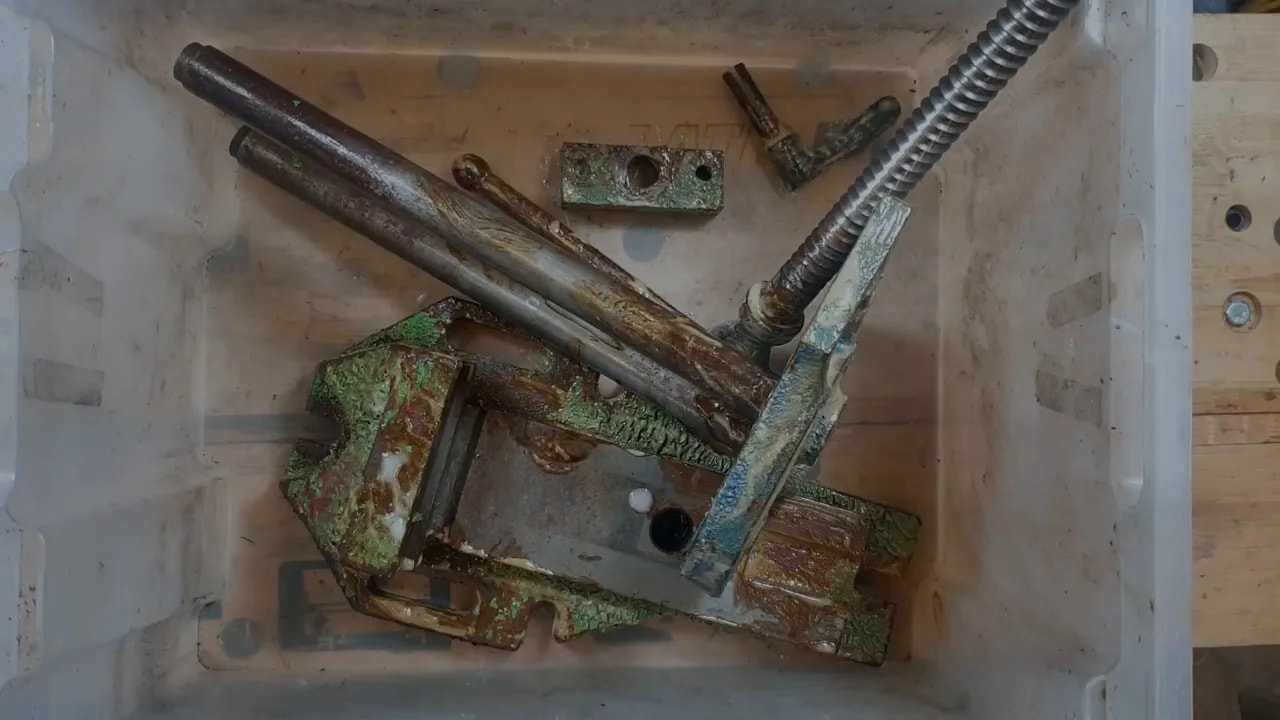
Removing the softened paint
Once the second hour was up, it was time for the satisfying part.
I used a combination of:
- a scraper for lifting softened paint
- a steel brush for stubborn areas
On the milling vice, I was careful not to drag a steel brush across any precision ground surfaces. There is no point stripping paint nicely if you then go and damage an accurate sliding way like a clot.
On the rougher cast areas, the paint came off very well. Some parts cleaned down almost to bare metal. In places on the woodworking vice, there appeared to be an older red oxide primer under the topcoat. I was not too bothered about that because the plan was to repaint the parts anyway. If the top rubbish comes off and the lower layer is still sound, that can be perfectly acceptable.
One practical tip here is how you brush the loosened paint away. Rather than scrubbing backwards and forwards and spraying little flecks of stripper everywhere, brush in a single direction so the mess falls into the tub. It is a lot tidier and considerably less likely to decorate your sleeves.
How Bartoline TX10 Paint Stripper handled each vice
The Record woodworking vice
The old Record parts cleaned up better than I expected for something with decades-old paint stuck to cast iron.
The quick release lever came up especially well, with almost all of the paint removed. The handle, which had been fairly caked in old coating, cleaned back nicely too. There was a little flash rust after drying, but that is hardly unusual once you expose bare steel and leave it overnight in workshop air.
The main sliding jaw ended up mostly back to bare metal, with just a few stubborn remnants around edges and awkward pockets. Those small leftovers were nothing alarming. A light scrape or simply painting over a sound remnant would deal with them.
The milling vice
This was the more surprising result.
The little loose block cleaned almost completely, with only the tiniest trace of green remaining at one end. The main body also stripped very well. Much of the old green hammered finish lifted away, leaving what looked like a red oxide primer underneath.
That is actually a decent outcome for a practical restoration. If you are simply trying to clean, derust and repaint, the important thing is removing the failing outer finish and getting back to a stable base.
Where the primer remains, the only real question is whether the stripper has left it weakened or softened. If it has gone dodgy, give it another pass and take it back further. If it stays firm, you may choose to leave it.
Close-up verdict on the results
After cleaning and drying everything, the final results were solid.
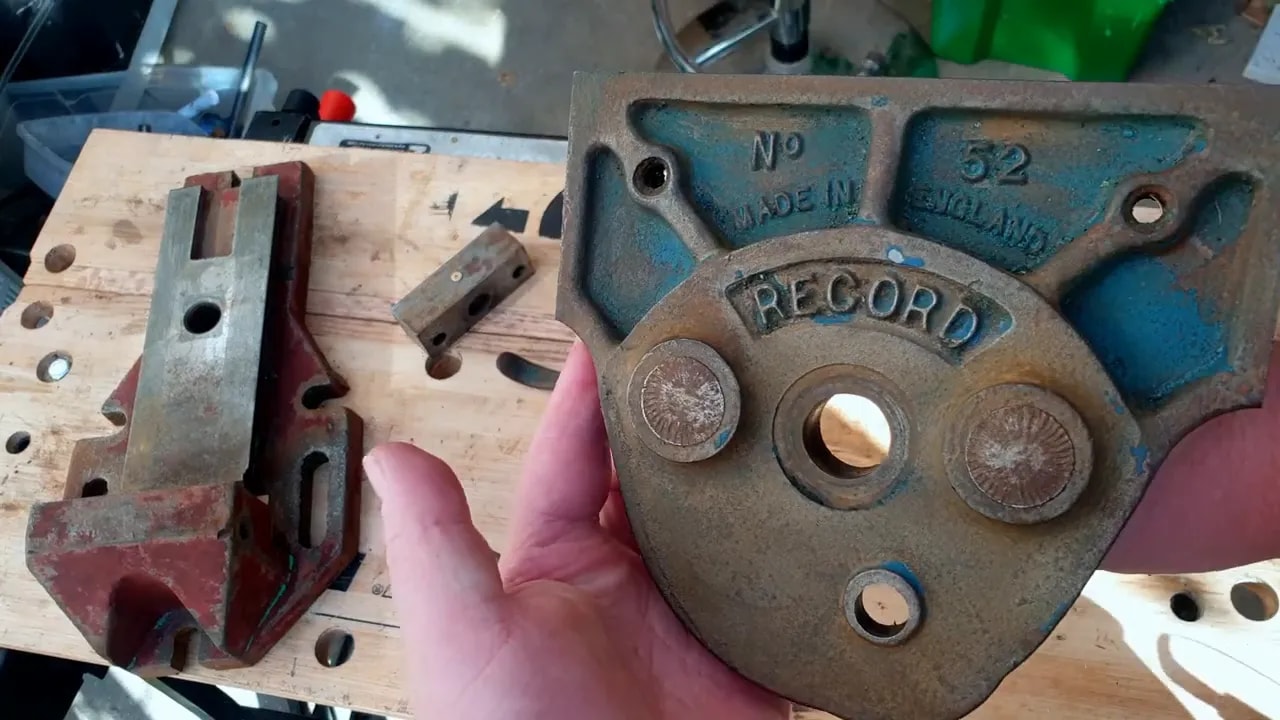
The old woodworking vice parts looked markedly better, with most of the ugly overpaint gone and the original metal surfaces visible again. The milling vice parts also came up well, especially considering the apparent Hammerite type coating.
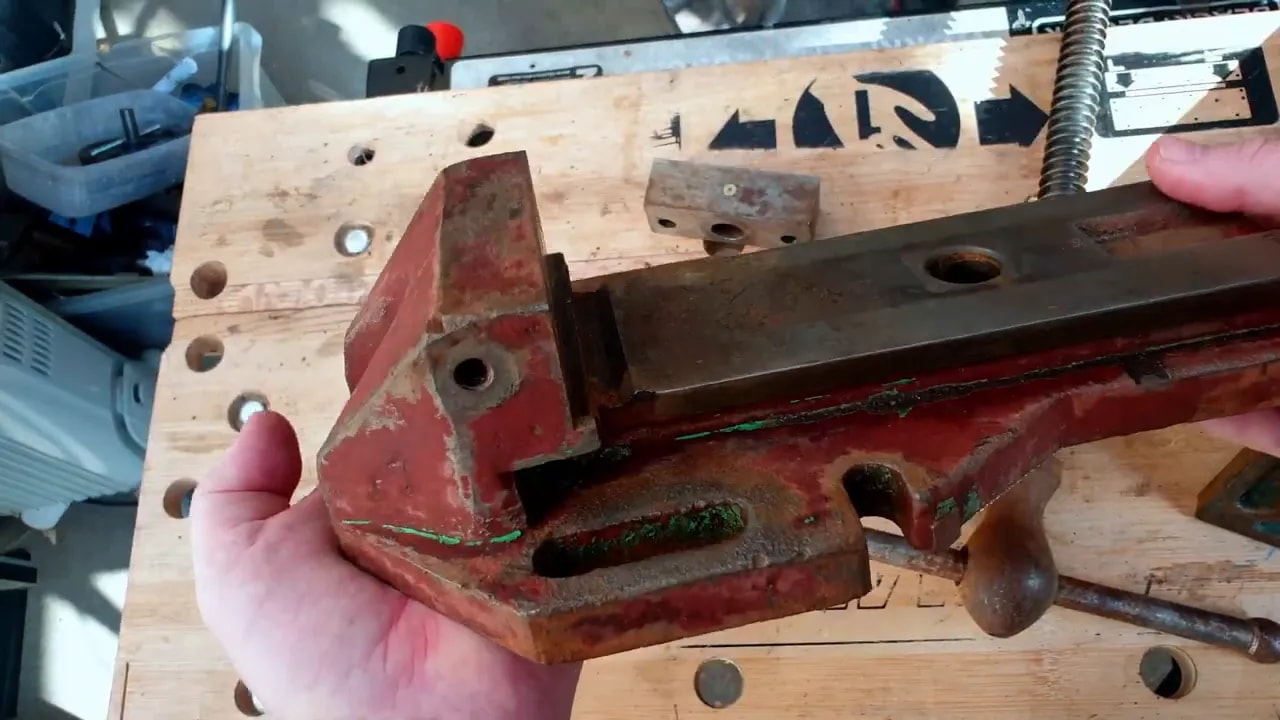
In both cases, Bartoline TX10 Paint Stripper did enough to make the next stages easy. That is really the key point. A good stripper does not need to perform miracles in a single swipe. It needs to remove the bulk of the old finish without making a dreadful job of the part underneath.
What I liked about Bartoline TX10 Paint Stripper
- It worked well on old metal workshop parts.
- It softened both random household paint and a tougher hammered coating.
- It was especially effective after two coats and a bit of patience.
- It was not excessively smelly compared with some alternatives.
- It made awkward cast shapes much easier to clean than dry scraping alone.
What to keep in mind
- Old paint often needs more than one coat. That is normal.
- You still need some manual scraping and brushing afterwards.
- Be careful around precision machined surfaces.
- Nitrile gloves are a poor match for this job.
- A plastic tray or tub underneath makes life much easier.
Final verdict: is Bartoline TX10 Paint Stripper any good on metal?
Yes, I would say Bartoline TX10 Paint Stripper is good stuff.
More importantly, it is good stuff for the sort of jobs many of us actually have in the workshop. On these two test pieces, it removed paint effectively, dealt better than expected with the hammered finish, and left both vices in a much better state for cleaning, derusting and repainting.
Would I use Bartoline TX10 Paint Stripper again? Absolutely.
If you are tackling old workshop tools, vices, castings or similar metal parts, it looks to be a very worthwhile option. Just give it a decent thick coat, allow enough time, expect to use more than one application on older paint, and keep your gloves and scraping technique sensible.
That is about as honest a verdict as I can give it. No miracles, no nonsense, just a paint stripper that did a proper job on some fairly crusty old metal.